Strategy review: a practical guide to keeping your plan on track

At the start of the year, we often feel energised and excited about the year ahead. Strategy, plans and priorities are clear. But as the weeks go by, we find ourselves being pulled in different directions and strategy gets neglected.
Customers need different things, projects slow down or get stuck, teams change, and meetings are filled with updates and operational details. As leaders, we get dragged back into delivery and firefighting, and we don’t find the time to think strategically and work on, rather than in the business.
After a while, the pressure builds. We’re busy, stretched and reacting. In teams, this can show up as a dip in motivation, communication becoming strained or difficult conversations being avoided.
In the leadership teams I’m working with at the moment, I see a pattern: there is a strategy, a plan and clear goals and targets, but leaders are stretched and distracted.
That’s why, as we come to the end of the first quarter, it’s time to pause and ask:
Are we on track with our strategy?
Is it still relevant?
Are we focusing on the right priorities, or just reacting to what’s in front of us?
Are we aligned as a leadership team on what matters most right now?
This is a practical guide to help you answer that question.
1. Start by looking at where you're spending your time and energy
Before diving into metrics, begin with a simple check-in.
Individually, make time to ask yourself:
Over the past three months, how much of my time has been strategic?
Where have I been reactive rather than proactive?
What decisions have I postponed?
What conversations have I avoided because of pressure?
Then as a leadership team, take half an hour to ask:
Where have we made strategic progress since January?
Where and when have we slipped into firefighting?
What have we spent most of our time discussing, and is that where we should be focusing?
Where are we aligned, and where are we making different assumptions?
What have we said yes to that we probably shouldn’t have?
What are we not giving enough attention to right now?
A leadership team I worked with recently realised that they were spending nearly 80% of their meeting time on updates and operational issues, and so the priorities they’d agreed at the start of the year were being forgotten. Noticing that allowed them to redesign how they used their time together.
2. Look out for signs strategy is drifting
Common signals may include:
Leaders describing priorities slightly differently
Decisions being revisited more than once
Teams working in silos or friction between functions
Busyness without progress
Leaders being pulled back into areas they had delegated
If this sounds familiar, the issue may not be capability. It may be alignment and clarity.
Practical activity: Priority Check
Take your top strategic priorities and review them together. For each one, ask:
What measurable progress have we made?
What evidence supports that?
Where are we behind?
Why?
One leadership team I worked with agreed on the need to increase sales and explore new product opportunities. But when I probed deeper, there were no defined targets, no agreed milestones, and different people had slightly different interpretations of what “progress” meant. The ambition wasn’t the issue - it was the lack of clarity around outcomes, ownership and timeframes.
3. Review what’s going on externally
The world is changing so fast, and there is so much uncertainty, that the context in which we do business changes rapidly. Take a moment to check your strategy is still relevant to what your customers need, the economic and technological environment. Ask:
What has changed externally since we set this strategy?
Are our assumptions still valid?
Do our priorities still reflect what the world needs from us now?
By doing this, one business realised that assumptions they had made about their key target segment had changed, so they adjusted focus and reallocated resources before they lost their competitive edge.
For leadership teams, strategy reviews often highlight deeper issues about how decisions are made and how leaders work together. When those conversations need more structure or challenge, many organisations choose to work with an external facilitator for their strategy day or leadership offsite.
4. Check how you are working together, not just what you are working on
This is where strategy and culture connect. Even the best plan will stall if the team isn’t working well together. As a leadership team, reflect on:
How are we reacting under pressure?
Are we challenging one another constructively?
Are difficult conversations happening early enough?
Where is accountability slipping?
With one team I worked with, they were being slowed down by too many decisions landing at the door of the CEO. Once roles and decision-making rights were clarified and expectations agreed, they quickly started to make more progress
Simple team check-in (30 minutes)
Ask everyone to write down on post-it notes:
One positive behaviour in this team that helps us work well together
One more challenging behaviour
One idea to improve how you work together.
Then share them anonymously, on a whiteboard or flipchart. Cluster the themes- there is usually lots of overlap.
Then agree:
One new thing you are going to start doing
One thing you are going to stop doing
One thing you’ll improve.
When strategy reviews reveal slow progress, the issue is often not the strategy itself but how the organisation is operating day to day.
I explore this further in Why Good Strategy Fails: The Culture Gap.
5. Reconfirm ownership and decision-making
Lack of clarity around roles, ownership and accountability can slow progress. Review your strategic priorities, goals (e.g. OKRs and KPIs), and check that it’s clear:
Who is accountable for the outcome?
Who else needs to be involved?
Who needs to be kept updated?
Who has the authority to decide?
What is the next milestone?
Avoid shared ownership, which often means no one feels fully responsible.
With a leadership team I worked with recently, simply clarifying who owned what reduced duplication and frustration almost immediately.
In many growing organisations, roles and responsibilities drift over time. When ownership and decision-making are unclear, even good strategies struggle to gain momentum. I’ve written a practical guide on How to Clarify Leadership Team Roles and Responsibilities.
6. Run a 60-minute strategy review
You do not need a full-day off-site to review and reset your strategy. If you make it a regular activity (e.g. quarterly) you can achieve a lot in an hour.
Make sure you have the right people in the room - everyone should have responsibility for delivery and decision-making.
Share the agenda in advance and ask people to prepare and circulate before the meeting:
Your agreed top priorities and current progress against each
Key performance measures
Known risks or issues
Ask each person to arrive prepared with:
One area of progress or success
One concern or challenge
One decision they believe is needed
Example agenda
1. Reconfirm the focus (10 minutes)
Restate your top priorities and desired outcomes. Check alignment. If descriptions vary, clarify.
2. Review progress and measures (15 minutes)
For each priority:
What measurable progress have we made?
What evidence supports that?
What is off track?
Review relevant data such as revenue, margin, project milestones, customer metrics or people indicators.
3. Surface challenges (15 minutes)
Where are we stuck?
What decisions are delayed?
Where is ownership unclear?
What tension are we avoiding?
4. Decide and reset (15 minutes)
What decisions do we need to make now?
Who owns it, and what is the next milestone?
What is the next milestone and review point? Book the next review date before you close.
Leadership teams shouldn’t wait for problems to become urgent before they pause. Building regular strategy review into your annual rhythm keeps strategy alive, relevant, motivating and possible.
If you’d like support to review and reset your strategy
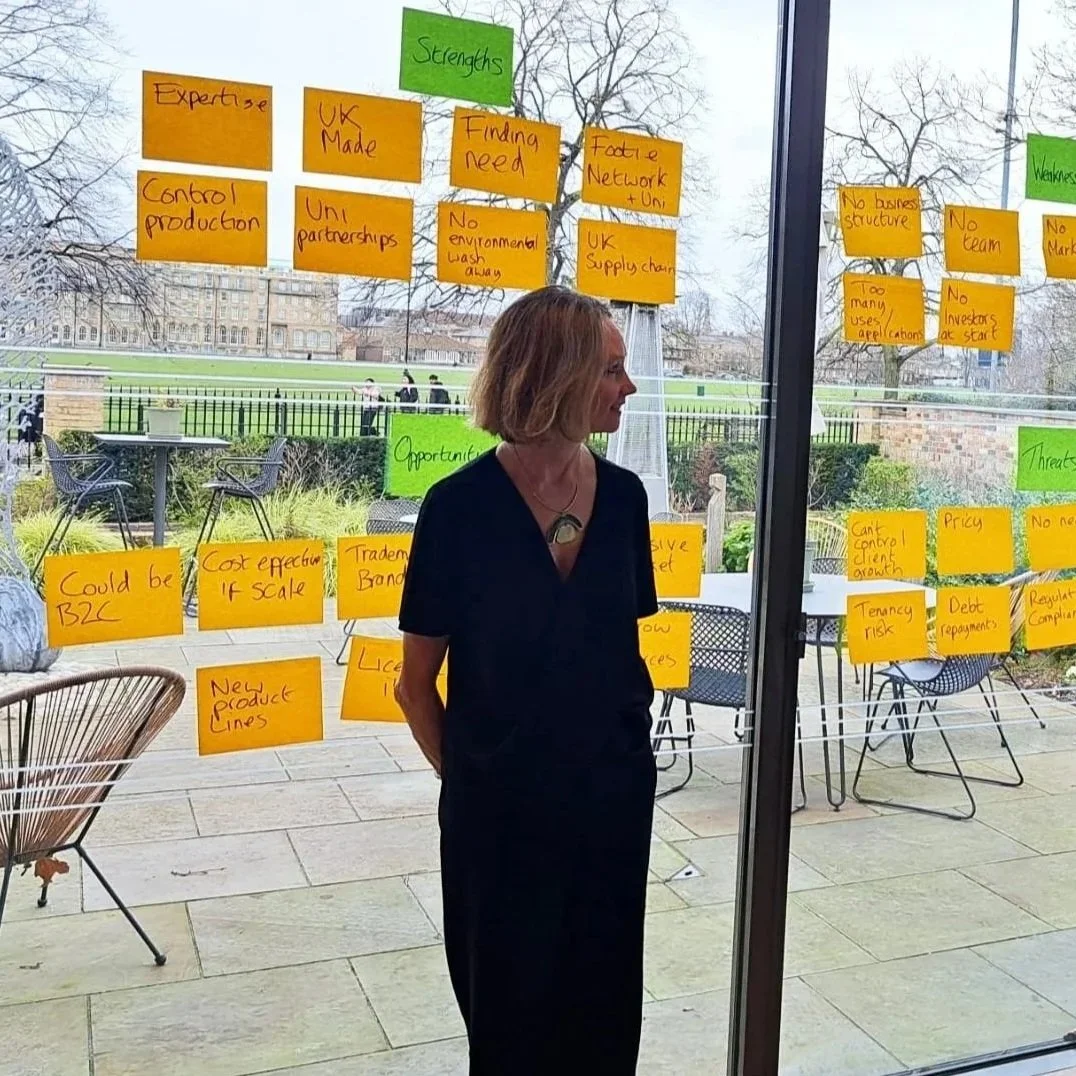
We can help you with a facilitated strategy review or reset, whether that’s a short workshop or a leadership off-site. We can design and facilitate a planning or strategy session to
align your senior team around shared goals
turn plans into clear actions, behaviours and rhythms
make decisions or have conversations you’ve been avoiding
strengthen how you work together as a leadership team
To find out how we can help, get in touch with:
Polly Robinson - polly@growth-space.co.uk or 07966 475195.